
Participants
Australia
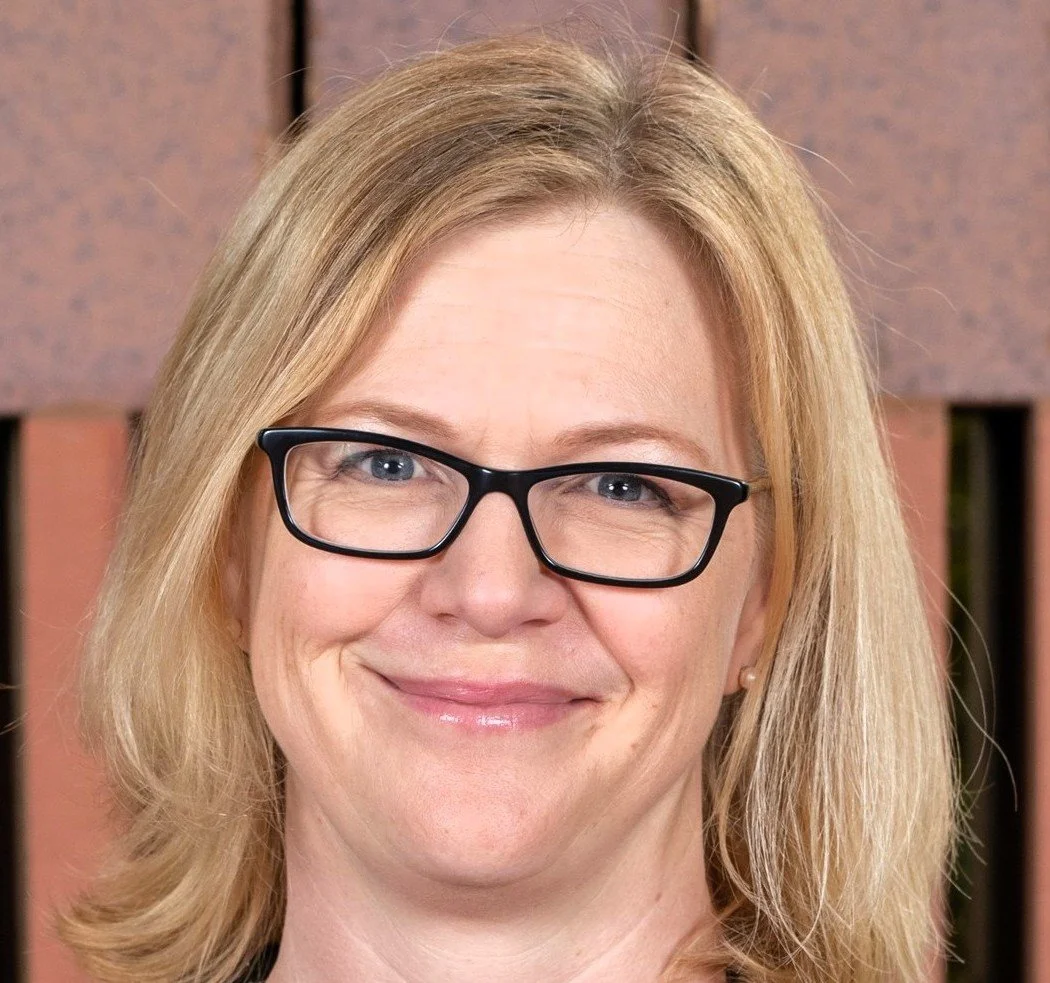
Alyssa Welch
https://www.nari.net.au/alyssa-welch
Dr Alyssa Welch has an extensive background in project management and corporate communication in multidisciplinary government, research and clinical settings. Alyssa has practical experience in program design and an in-depth understanding of how to analyse and interpret data in a manner that informs government and organisational decision-making. Alyssa completed her PhD in Public Health with a focus on methods of evaluation to ensure high-quality reporting of research and policy outcomes. Alyssa was a key contributor to the design of Star Ratings for residential aged care, the Monitoring and Evaluation Framework for Australia’s Antimicrobial Resistance Strategy, and authored technical specifications for the Expansion of the QI Program for residential aged care.

Francesc March
Dr Francesc March de Ribot, MD, PhD, FRANZCO. Ophthalmology Consultant, Associate Professor at ANU, University of Otago, and University of Girona. His work integrates clinical practice and research, focusing on improving eye care delivery and quality of life through translational innovation.
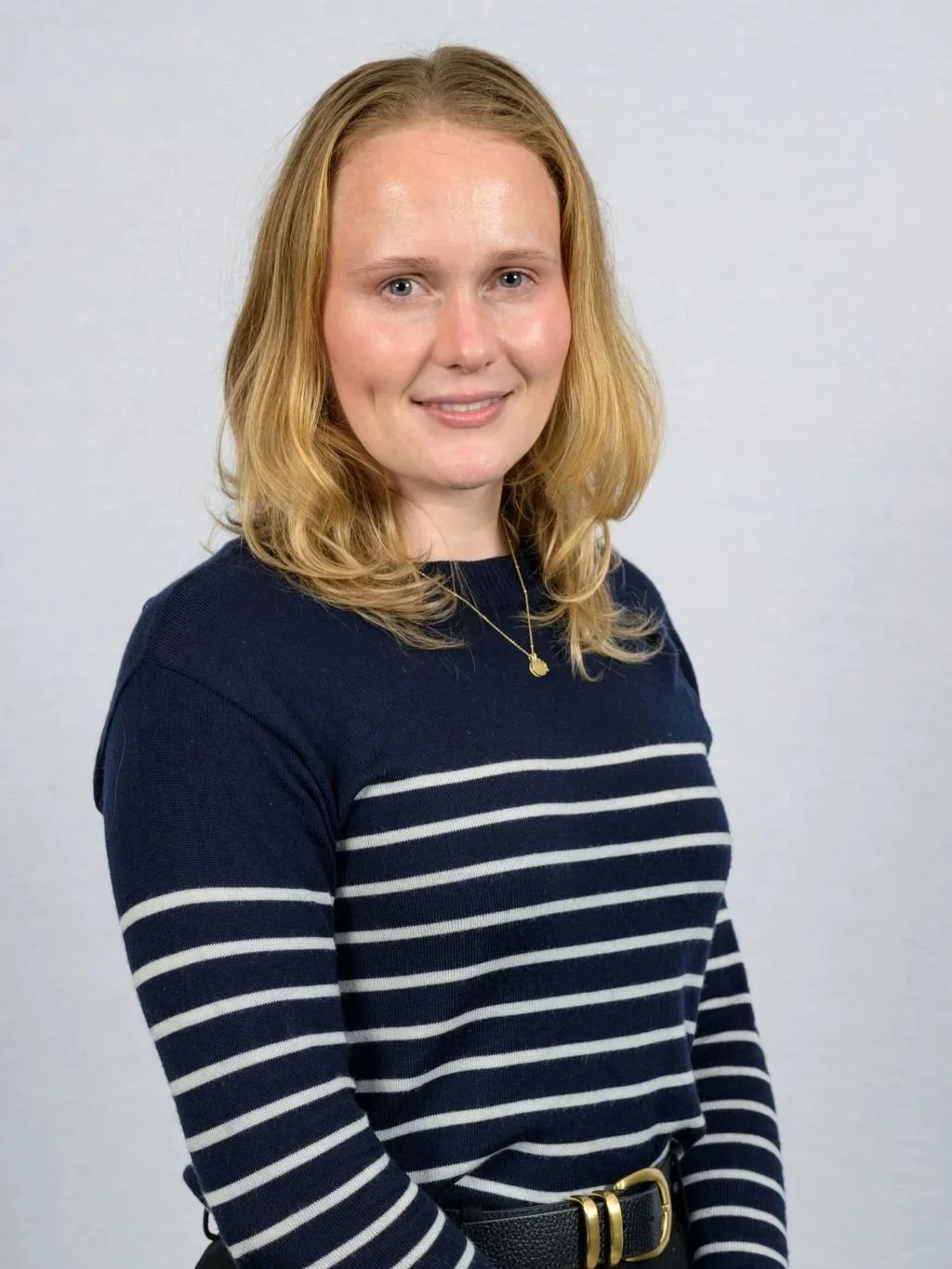
Isabelle Meulenbroeks
https://researchers.mq.edu.au/en/persons/isabelle-meulenbroeks/publications/
Dr Isabelle Meulenbroeks is a Physiotherapist and Postdoctoral Research Fellow at the Australian Institute of Health Innovation, Macquarie University. Her research uses mixed methods approaches to improve care quality for older adults, spanning implementation science, digital health, and aged care service delivery.
Belgium
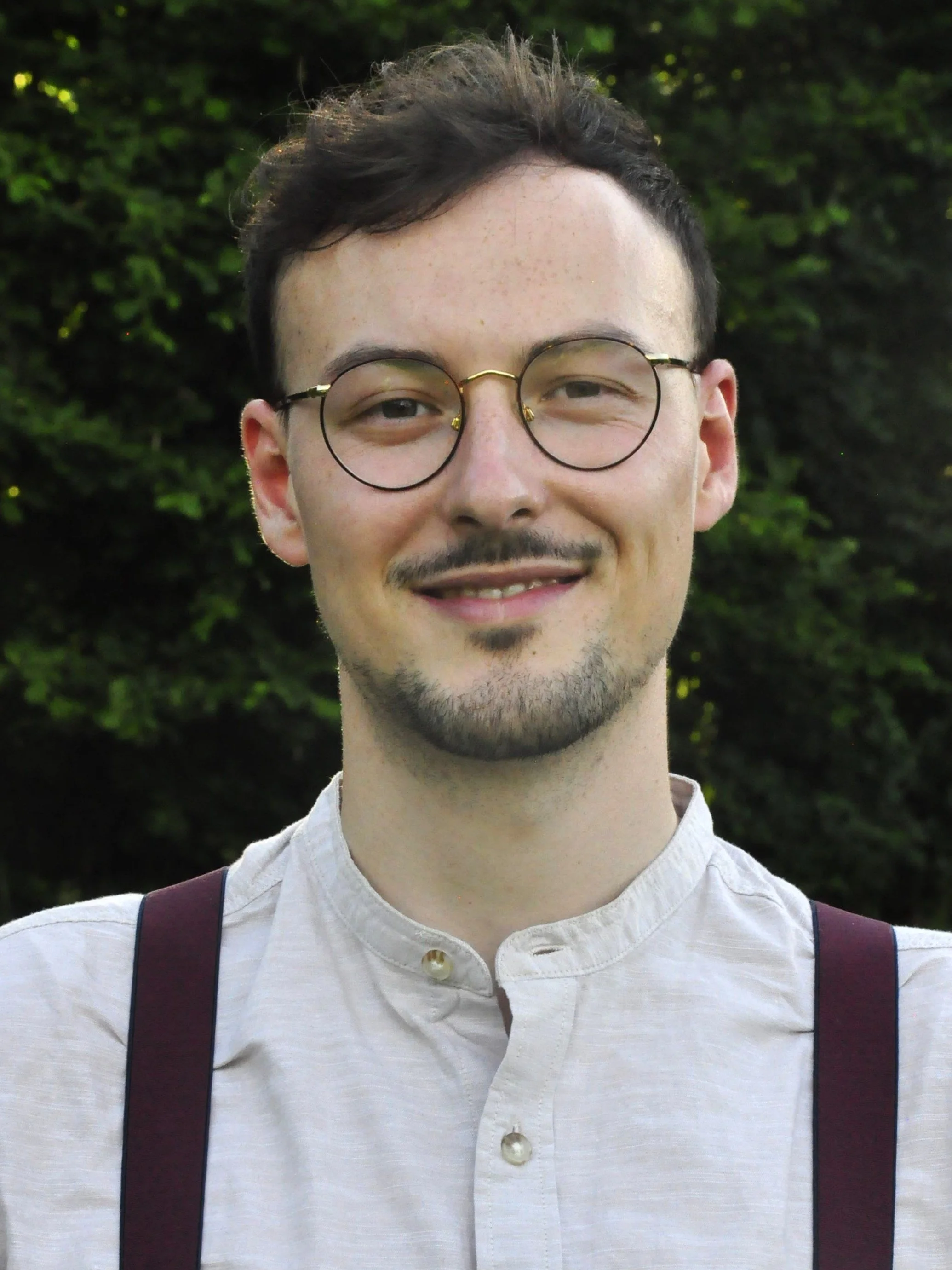
Sam Baert
https://orcid.org/0000-0001-5321-2953
Sam Baert holds a Master’s degree in Clinical Special Needs Education and Disability Studies from Ghent University. He previously worked as a research associate at KU Leuven, where he was involved in the development of practical guidelines on how to prevent and, as a last resort, safely apply seclusion and restraint practices across various healthcare settings. Sam is currently a PhD researcher at KU Leuven, affiliated with LUCAS – Centre for Care Research and Consultancy and the Centre for Biomedical Ethics and Law. His doctoral research focuses on understanding and addressing the spiritual needs of older adults who might benefit from a palliative care approach.

Canada
Amina Jabbar
Dr. Amina Jabbar is a geriatrician and the Acute Care Geriatric Medicine Physician Lead for Quality Improvement at Trillium Health Partners (Mississauga, Ontario).
Dr. Jabbar earned a Bachelor of Social Work from Toronto Metropolitan University (2007), a Masters of Science in health research methodology from McMaster University (2009) and a Doctor of Medicine from University of Toronto (2013). She is currently a PhD candidate in Health Policy at McMaster University.

Amy Ecclestone
Jasmine Mah
https://www.linkedin.com/in/jc-mah
Jasmine Mah is a clinician researcher who answers big-picture questions for aging populations, working alongside diverse teams to drive impact. She holds an MD from the University of Ottawa, an MSc from the London School of Economics and the London School of Hygiene and Tropical Medicine, and a PhD from Dalhousie University. She is a Canadian Medical Association Young Leader, recipient of the Association of Faculties of Medicine Learner Changemaker Award and Pierre Elliot Trudeau Foundation Scholar. She operates at the intersection of medicine, research, and policy trying to provide solutions for people to live, age and receive healthcare with dignity in the home of their choice, even in the face of circumstances that limit autonomy. Jasmine is also the co-founder of Let Science Connect, a social enterprise bridging academia to society through effective science communication.
Maya Canham
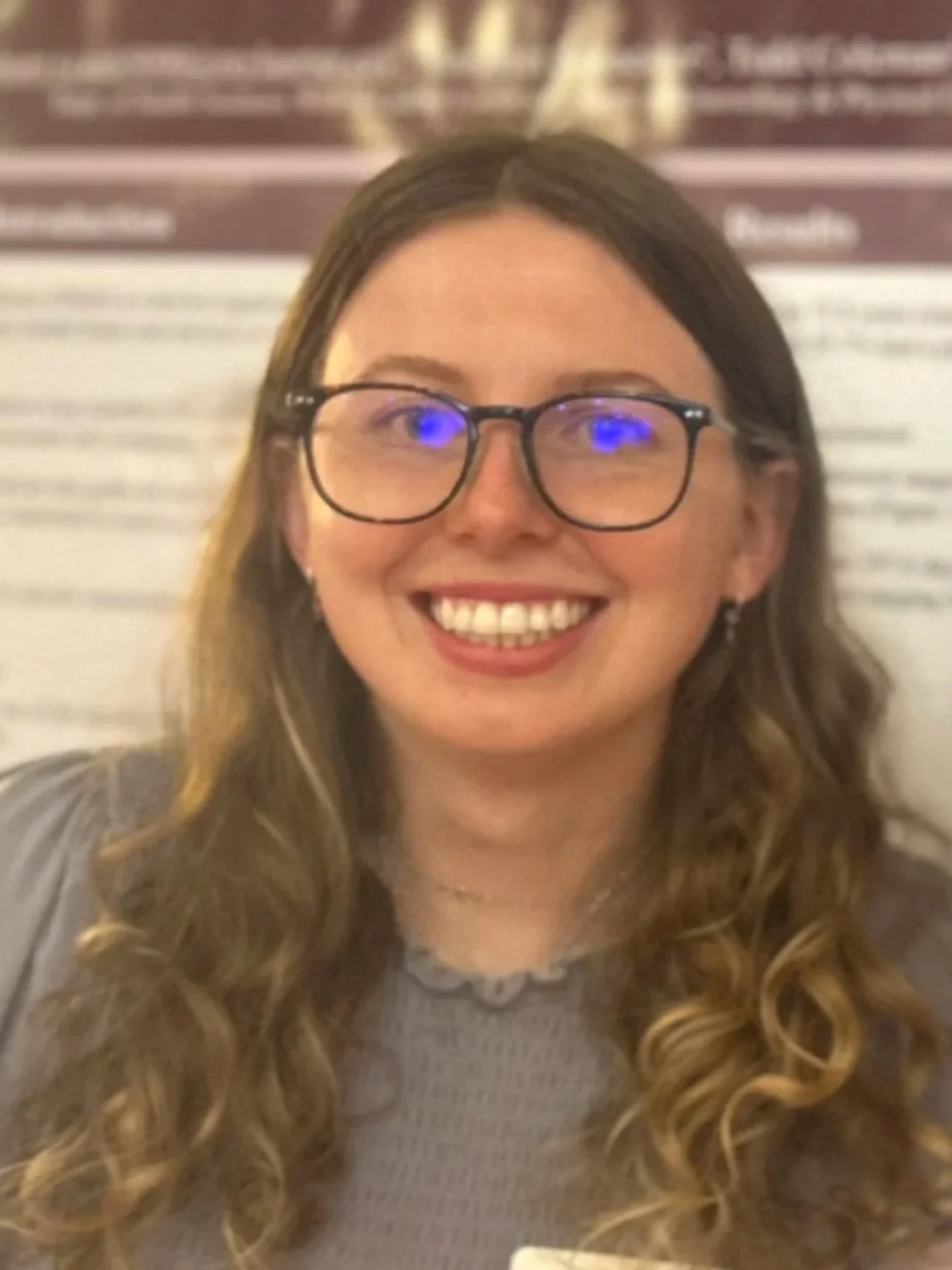
Currently, Maya Canham (she/her) is a full-time Research Assistant at Wilfrid Laurier University in Waterloo, Canada. She received her Master of Science in Health Sciences from Wilfrid Laurier University in 2025 and will begin her PhD in Population Health at the University of Ottawa in September 2026. She primarily analyzes interRAI assessment data for clients receiving home care and palliative care in Ontario, Canada. Her key research interests include serious/life-limiting illnesses, palliative care, and end-of-life care.

Michael Ibekaku
https://www.linkedin.com/in/michael-ibekaku-20b08117b/
Michael C. Ibekaku is a physiotherapist and PhD candidate in Health at Dalhousie University. His research focuses on rehabilitation, physical activity, and healthy ageing, with a particular interest in improving care for people living with dementia in low-resource settings. His doctoral research explores the adaptation and implementation of an evidence-based physical activity intervention for people living with dementia in Nigeria. Michael is passionate about leveraging large secondary datasets to address clinically relevant questions and generate evidence that informs policy, practice, and healthy ageing initiatives. He has experience using interRAI data to examine mobility and functional outcomes among long-term care residents with dementia and has published several studies in ageing and rehabilitation.

Michaella Miller
https://www.linkedin.com/in/michaella-a-miller/
Michaella is a Canadian mixed methods health services researcher with expertise in Aging, Health, and Wellbeing. She brings over a decade of experience across the health sector, including long-term care, health policy, and program implementation. Her research is driven by a commitment to advancing quality in long-term care for older adults, with a particular emphasis on supporting and strengthening the healthcare workforce. She examines how policy frameworks and regulatory environments shape both working conditions and care outcomes, with the goal of informing evidence-based reforms that enhance quality of work and quality of care.

Sergei Filiasov
Dr. Sergei Filiasov is a postdoctoral fellow in the Department of Health Research Methods, Evidence, and Impact at McMaster University (Hamilton, Canada) and a staff scientist with the OnSPARK Long-Term Care Data Platform. He completed his PhD in Economics at McMaster in 2025. His research applies econometrics and causal inference to health economics, aging, long-term care, education, and labour-market policy. Recent work uses linked electronic medical record, staffing, regulatory, and interRAI-derived assessment data to study long-term care outcomes and policy-relevant system dynamics in Ontario and Canada.

China (Hong Kong)
April Yushan WU
https://sphpc.cuhk.edu.hk/aprilwu/
Dr. April Yushan Wu is a Research Assistant Professor at the Centre for Health Systems and Policy Research, within the School of Public Health at The Chinese University of Hong Kong.
Her research focuses on health economics, with a particular emphasis on the use of big data for health policy evaluation, innovative healthcare develiry, and equity in access to health care. A key area of her current work is leveraging big data to promote the medical-social integration of elderly individuals with complex needs, including those recently discharged from hospitals, long-term care recipients, and those approaching the end of life. Her mission is to drive innovation and improve the integration of medical and social care worldwide.
Dr. Wu currently leads multiple projects funded by the Hong Kong Health and Medical Research Fund. She has published as both first and corresponding author in top international journals, including JAMA Network Open, Health & Place, Journal of Epidemiology and Community Health, and Health Policy and Planning. Additionally, she has been a key contributor to several policy reports on Hong Kong’s healthcare services and health insurance systems, providing essential evidence to support policymaking.
Malawi
Esther Jiya
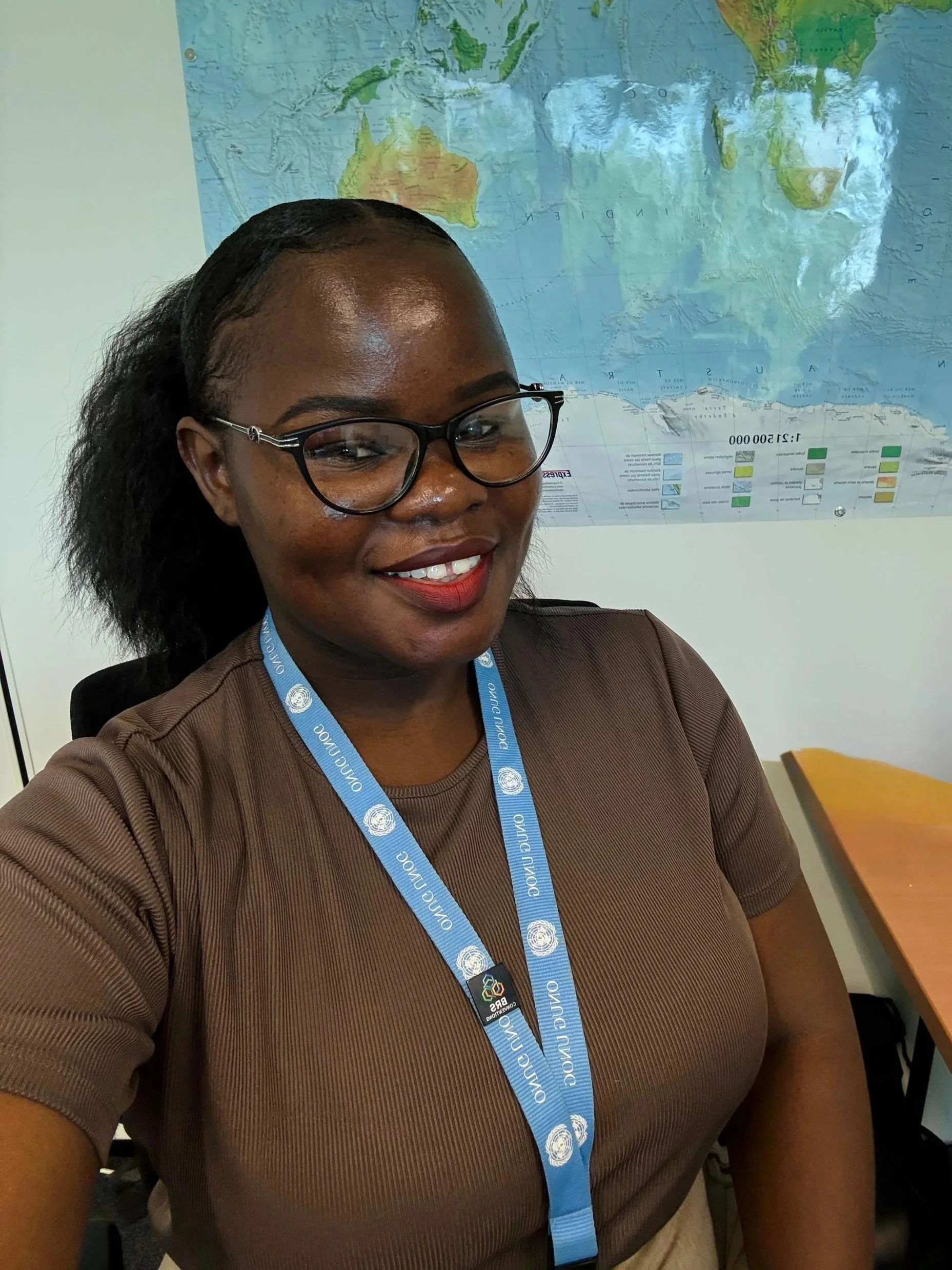
Esther Jiya is an Environmental Health professional and mental health advocate from Malawi with a master’s degree in environmental health and a strong interest in youth mental health, climate and health, and community engagement. She is the Co-founder and Executive Director of Mthunzi Minds, a youth-led initiative promoting mental health and environmental sustainability among young people and communities. Her work focuses on advancing research, advocacy, and community-based initiatives that support vulnerable populations in Malawi and beyond.

New Zealand
Deborah Bowen
www.linkedin.com/in/deborahjbowen
I am an early career researcher at the University of Otago in Christchurch, New Zealand with expertise in applying statistical and epidemiological methods to population health data. My current research centres on developing machine learning models to advance knowledge of risk and protective factors for healthy ageing. This involves integrating social and contextual factors, alongside clinical information into prediction and decision-making tools to better support personal agency and independent living for older adults within their chosen communities. I am committed to equity-focused research with direct relevance to clinical and community care practice in Aotearoa New Zealand and beyond.
Karen Ng, PhD
https://profiles.canterbury.ac.nz/Karen-Brenda-Man-Ka-Ng/
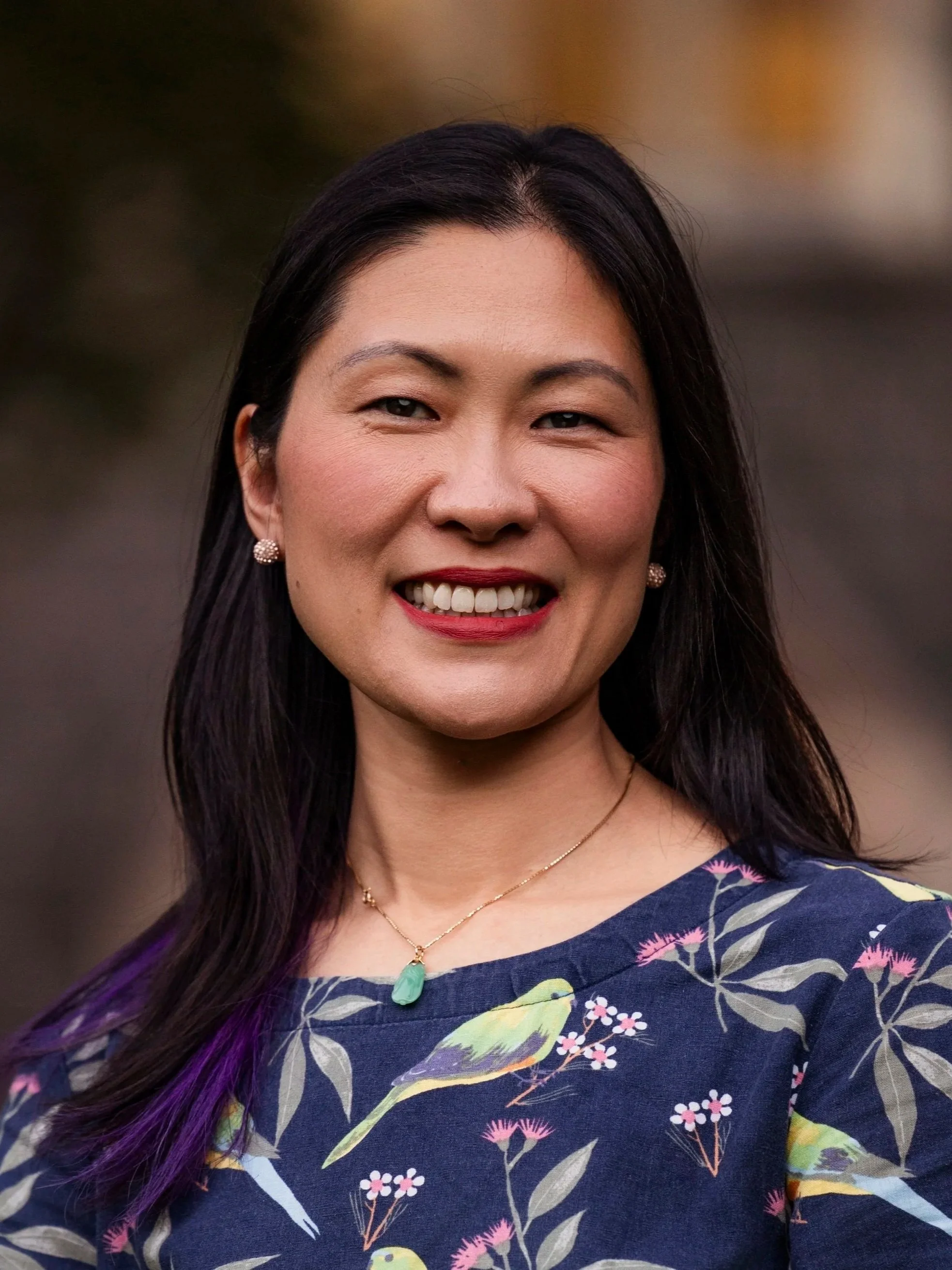
Dr. Karen Ng is a Research Advisor at Nurse Maude and an Adjunct Fellow at the University of Canterbury, New Zealand. She holds a PhD in Speech and Language Sciences from the University of Canterbury and an MA in Speech-Language Pathology from Northwestern University, USA. As a registered speech-language therapist, her research and clinical interests include dysphagia assessment and rehabilitation in the home, community, and aged care settings.

Grace Chen
Grace Chen is a Research Fellow at the Centre for Public Health Research at Massey University, New Zealand. Her research specialises in occupational and environmental epidemiology, neuroepidemiology, and neurodegenerative diseases. She has contributed to several epidemiological studies investigating occupational exposures and associated health outcomes.
She completed her PhD in epidemiology, with her doctoral research constituting the first New Zealand population-based case-control study examining occupational, environmental, and lifestyle risk factors for Motor Neurone Disease. Her current research programme focuses on concussion and its association with neurodegenerative diseases, including Motor Neurone Disease, Parkinson's disease, and Alzheimer's disease.

Leah Palapar
https://profiles.auckland.ac.nz/l-palapar
Leah is a Research Fellow at the University of Auckland’s School of Population Health. She is an early career researcher working with large administrative datasets, including data from Statistics New Zealand’s Integrated Data Infrastructure. Her main research interests include patterns of health care use and the maintenance of independence in later life, particularly among older people with complex care needs.

Peter Tang
Peter Tang is a registered nurse and Senior Systems Clinician working in digital health and aged care system design in Aotearoa New Zealand. His work focuses on how interRAI assessment systems, clinical information, and digital workflows can better support care planning for older people, whānau, and frontline staff. Peter has experience in interRAI implementation, interoperability, reporting, and quality improvement. Through inSPIRe, Peter aims to strengthen his ageing research capability and contribute to practical, equity-focused innovation in health and care services.

Robinson Spencer
I am a professional data analyst with 6 years experience working within the New Zealand health system. I started out with the Hawkes Bay District Health Board where I worked with a variety of different health datasets ranging from hospital admissions, to immunisations and more. In 2024 I joined Health New Zealand as the senior data analyst for interRAI. In this role I frequently assist researchers and provide guidance on data requests. I am particularly interested in combining interRAI with other health datasets to analyze and map people's holistic people's journeys through the health system.
Dr Sue MacDonell
https://profiles.auckland.ac.nz/sue-macdonell
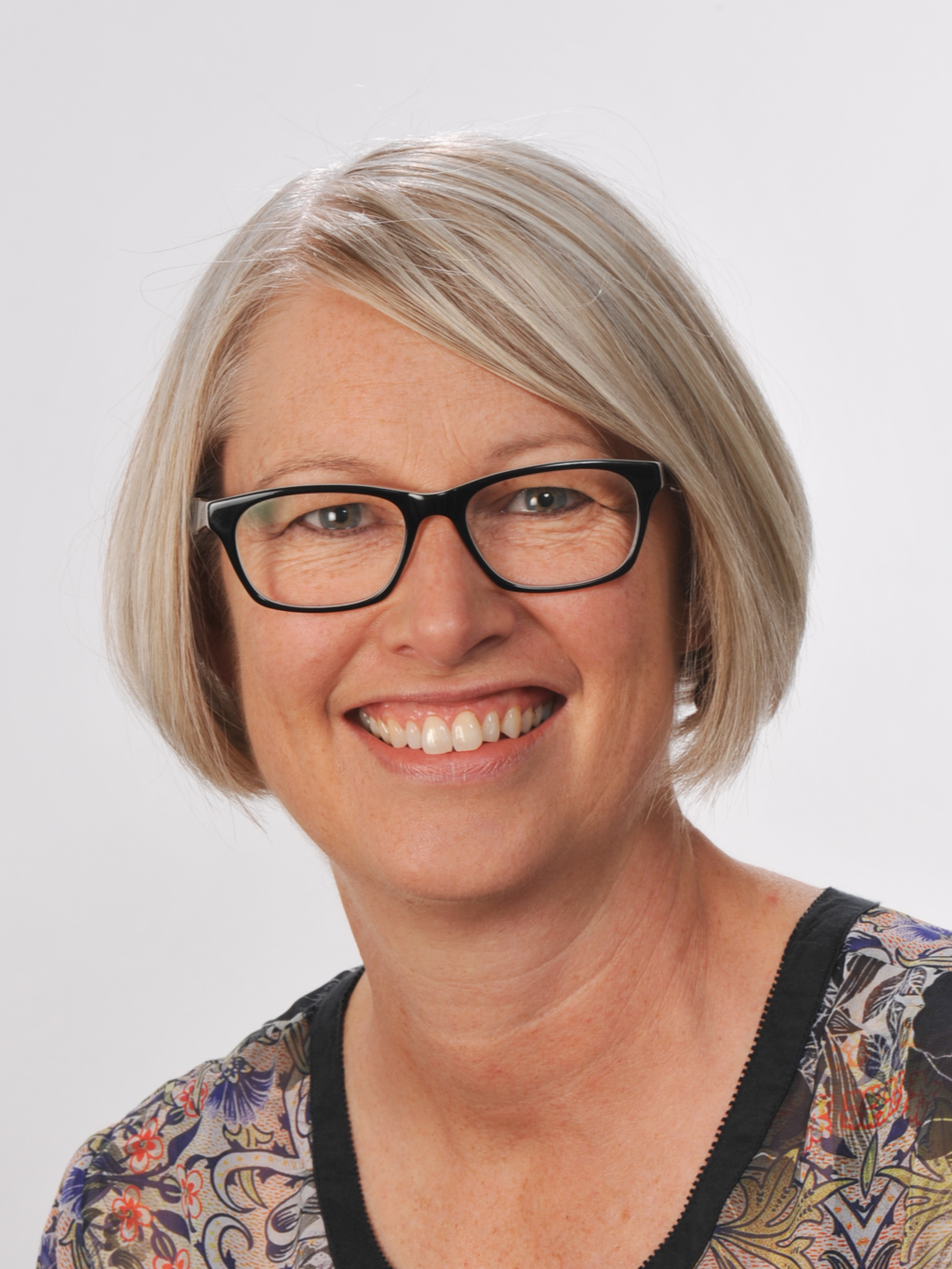
Sue MacDonell is a New Zealand Registered Dietitian and Programme Director for the Master of Nutrition & Dietetics at Waipapa Taumata Rau University of Auckland. Her research focuses on older adult nutrition, particularly undernutrition, falls prevention, and malnutrition screening. Her research has highlighted the prevalence of inadequate nutrient intakes and nutrient deficiencies in the New Zealand aged-care population. Sue contributes internationally to the interRAI undernutrition CAP working group and is the inaugural Chair of the Malnutrition Action Group Aotearoa New Zealand.
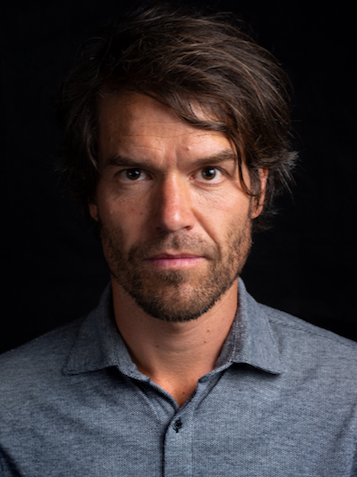
Netherlands
Wiebe Boorsma
https://orcid.org/0009-0004-8619-6661
Hi, i’m Wiebe, a post-doc researcher, epidemiologist and associate InerRAI fellow@ Amsterdam UMC. Currently involved in national and international research with interRAI. Part of a team responsible for innovative, next gen development of a popular ECD in the Netherlands for long term care. By embedding interRAI decision support we aim to better support the care pathway for clients and their involved (informal) carers: care teams and medical aid suppliers, across care setting. From independency at home, all the way up to full dependency in nursing homes/ palliative care.
I studied medicine at the Vrije Universiteit in Amsterdam. My PhD was about the relationship between Insulin sensitivity and cardiovascular disease risk. Working as a physician in nursing homes I became aware of the need for reliable information to support integrated approach in care for complex vulnerable clients in long term care, starting in the home situation.
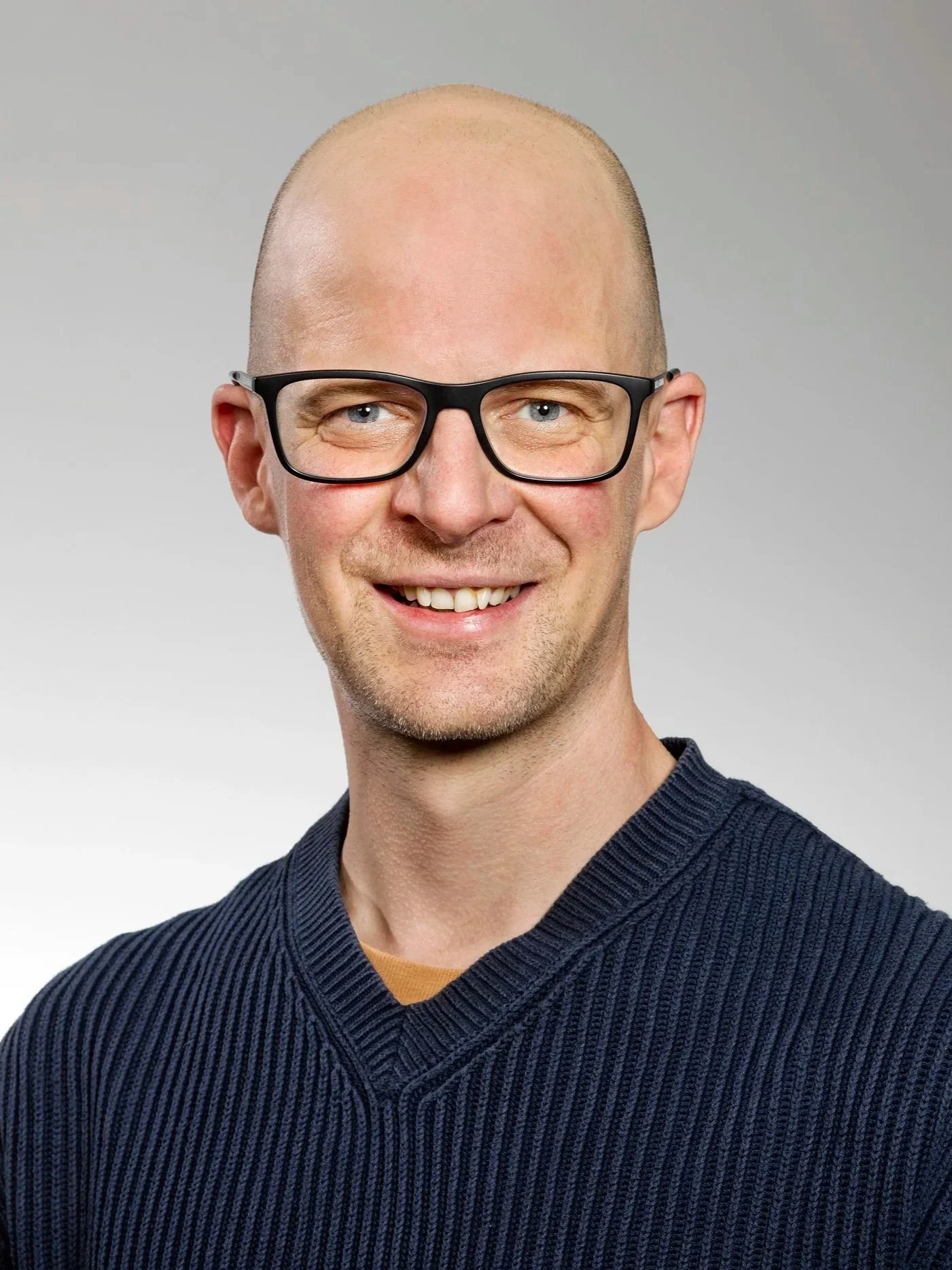
Switzerland
Andreas Boss
https://www.swissrdl.unibe.ch/about_us/team/andreas_boss/index_eng.html
Andreas Boss is a Scientific Collaborator at SwissRDL, a service unit at the University of Bern (Switzerland) dedicated to medical registries. His work centres on the development, management, and analysis of registry-based health data to support evidence-based decision-making. With a strong interest in data quality and standardised health information, Andreas contributes to advancing the use of structured health data systems in the Swiss context. His engagement with interRAI reflects his commitment to improving outcomes for vulnerable populations through rigorous quality assessment. He joins inSPIRe 2027 to exchange expertise and strengthen ties within the global interRAI research community.
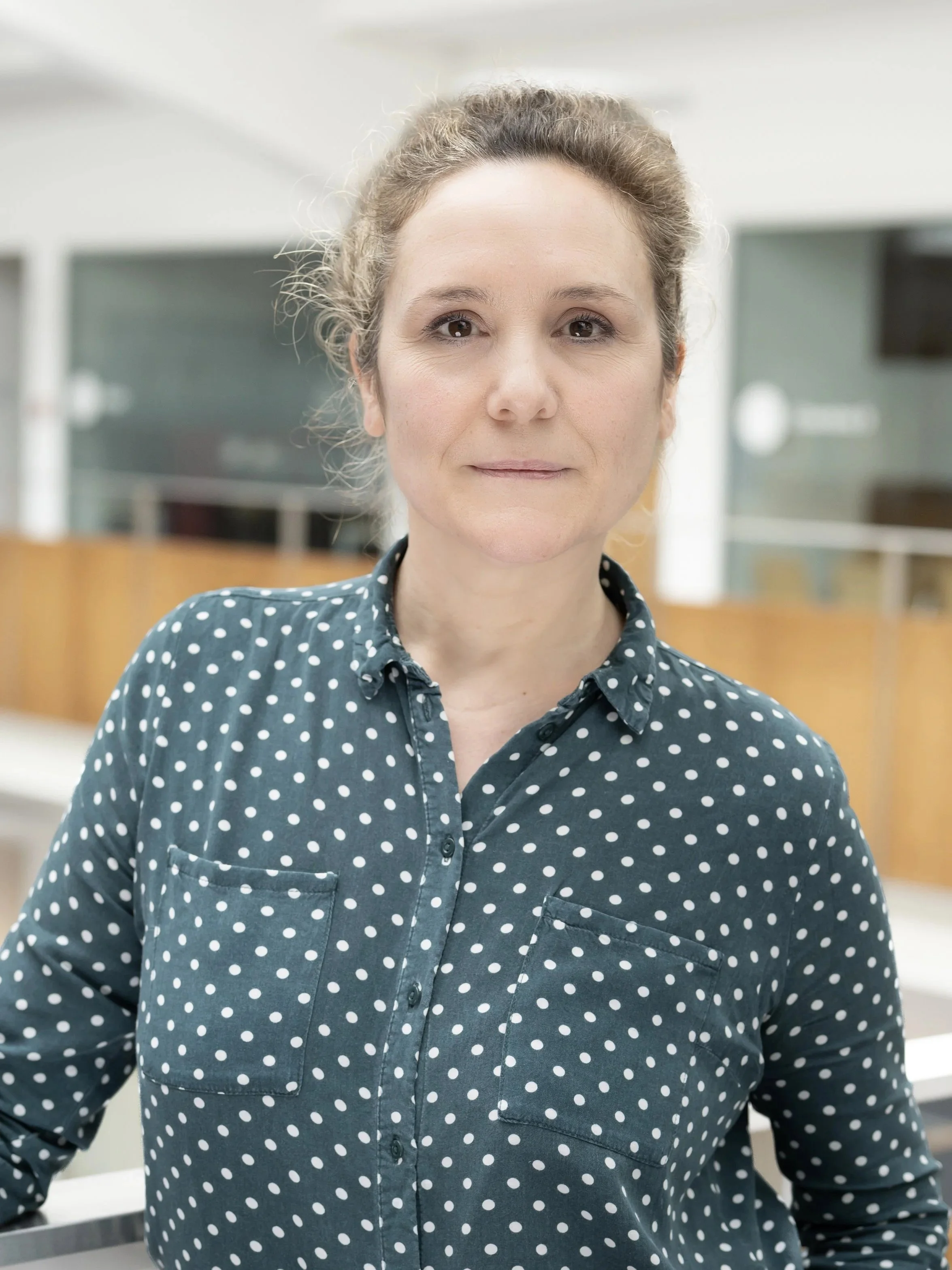
Noémie Stienne
www.linkedin.com/in/noémie-stienne
https://www.ecolelasource.ch/en/health-data-lab/
I hold a Master’s degree in Nursing Sciences and have experience in acute and intensive care. Since 2025, I have been working as a research associate at the newly founded Health Data Lab in Lausanne, Switzerland, where I contribute to projects focused on data-driven approaches to improving quality of care. One of my current projects involves working with interRAI Community Mental Health. I am looking forward to participating in the summer school and collaborating with professionals from diverse backgrounds.
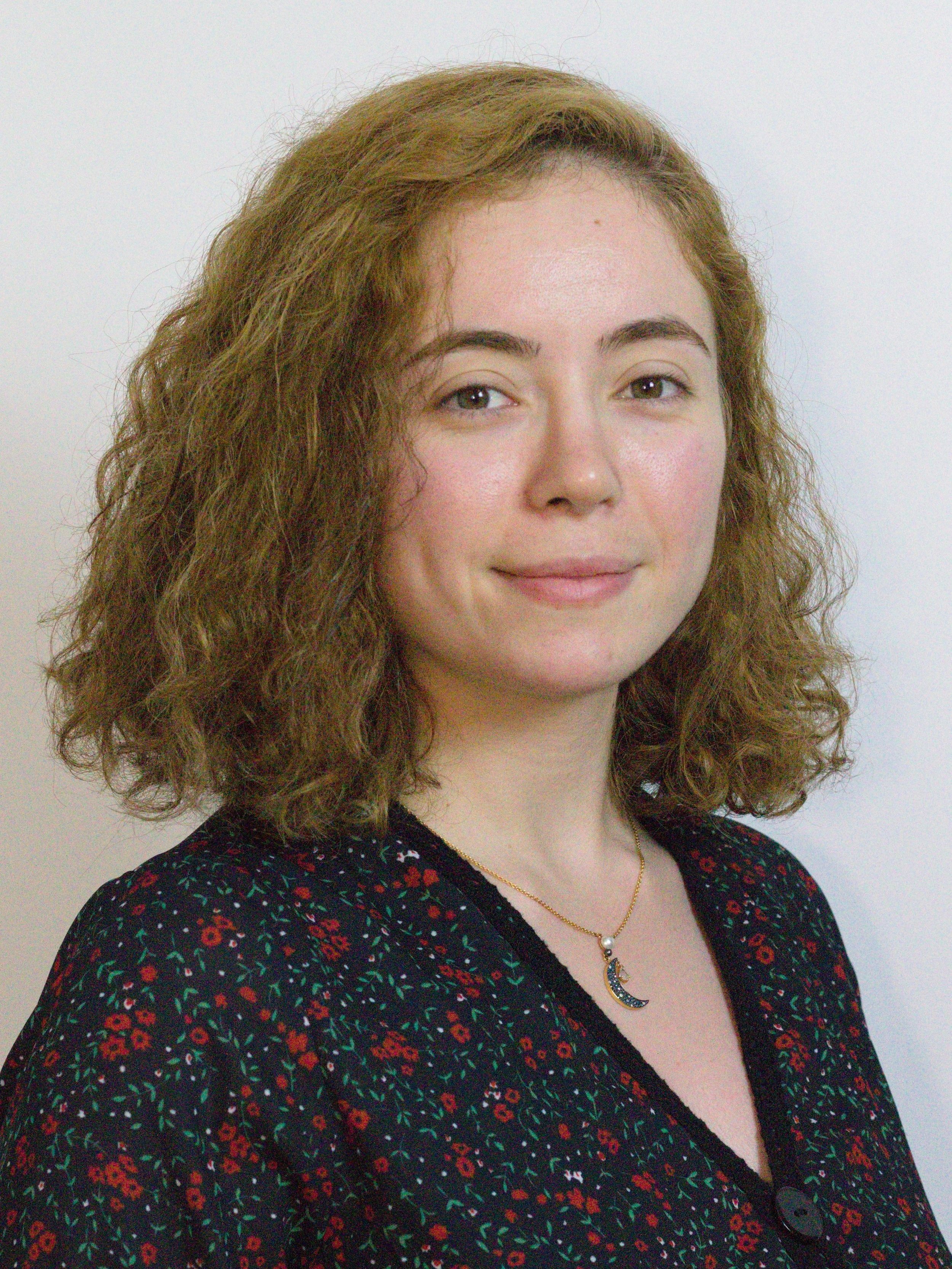
Turkey
ikbal Oğuz Karaalp
She is a Ph.D. student in the Public Health Nursing program at Hacettepe University’s Institute of Health Sciences. She has also been working as a nurse since 2014. With extensive clinical experience in areas such as home health care, palliative care, and emergency nursing, Ms. Karaalp focuses her academic work on topics including home health care systems, geriatric health, and the health of informal and formal caregivers. She contributes to the development of home care and home health services on both national and international platforms. She continues her academic collaborations and research aimed at improving the quality of care for older adults and diversifying and expanding evidence-based home health care service models. As a participant in inSPIRe 2027, she aims to strengthen the health of older adults and identify new care strategies for home health care services.
Uganda
Emmanuel Sendaula
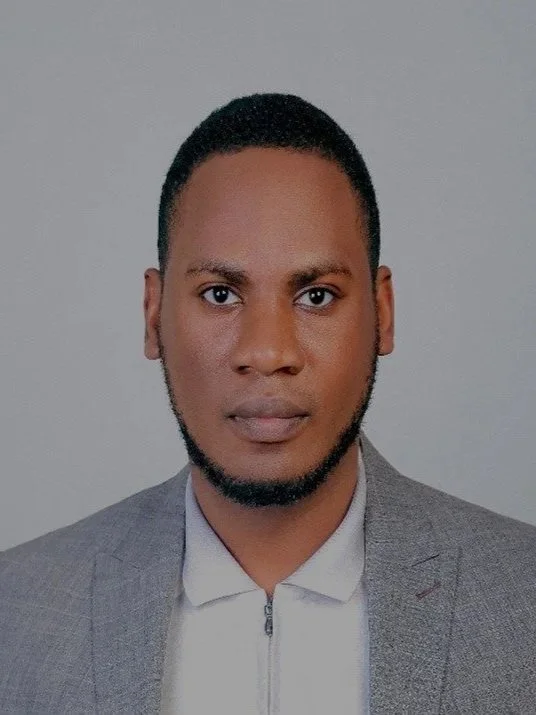
Emmanuel Sendaula is a clinical epidemiologist and monitoring and evaluation specialist with over a decade of experience in health systems strengthening and digital health in Uganda. He serves as an Epidemiologist and Monitoring, Evaluation/ Health Information Systems Advisor at Reach Out Mbuya Community Health Initiative. As an Associate Fellow of interRAI, he supports the application of standardized assessment systems to improve care for older persons, children, and adolescents in low-resource settings. His work focuses on implementation science and research, routine data use, and digital innovation to strengthen health system performance.
USA
Daniel David
https://nursing.nyu.edu/directory/faculty/daniel-david
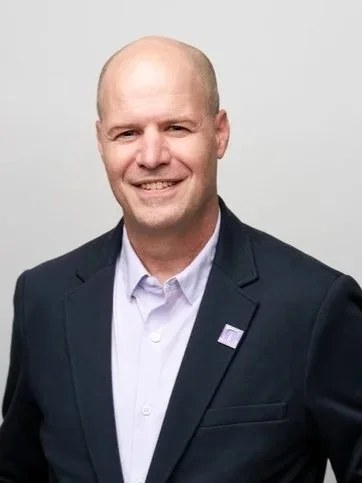
Dr. David is a geriatrics and palliative care nurse researcher and Assistant Professor at NYU Rory Meyers College of Nursing. As an implementation scientist, he translates research into feasible, scalable interventions for under-resourced, community-dwelling older adults on the cusp of needing nursing home care. His research confronts the complex challenges older adults face when aging in place—navigating serious illness, limited resources, and fragmented care. He has received career development awards from the Cambia Foundation and NPCRC, and currently serves as Site PI for a 40-site NIH-funded dementia trial.